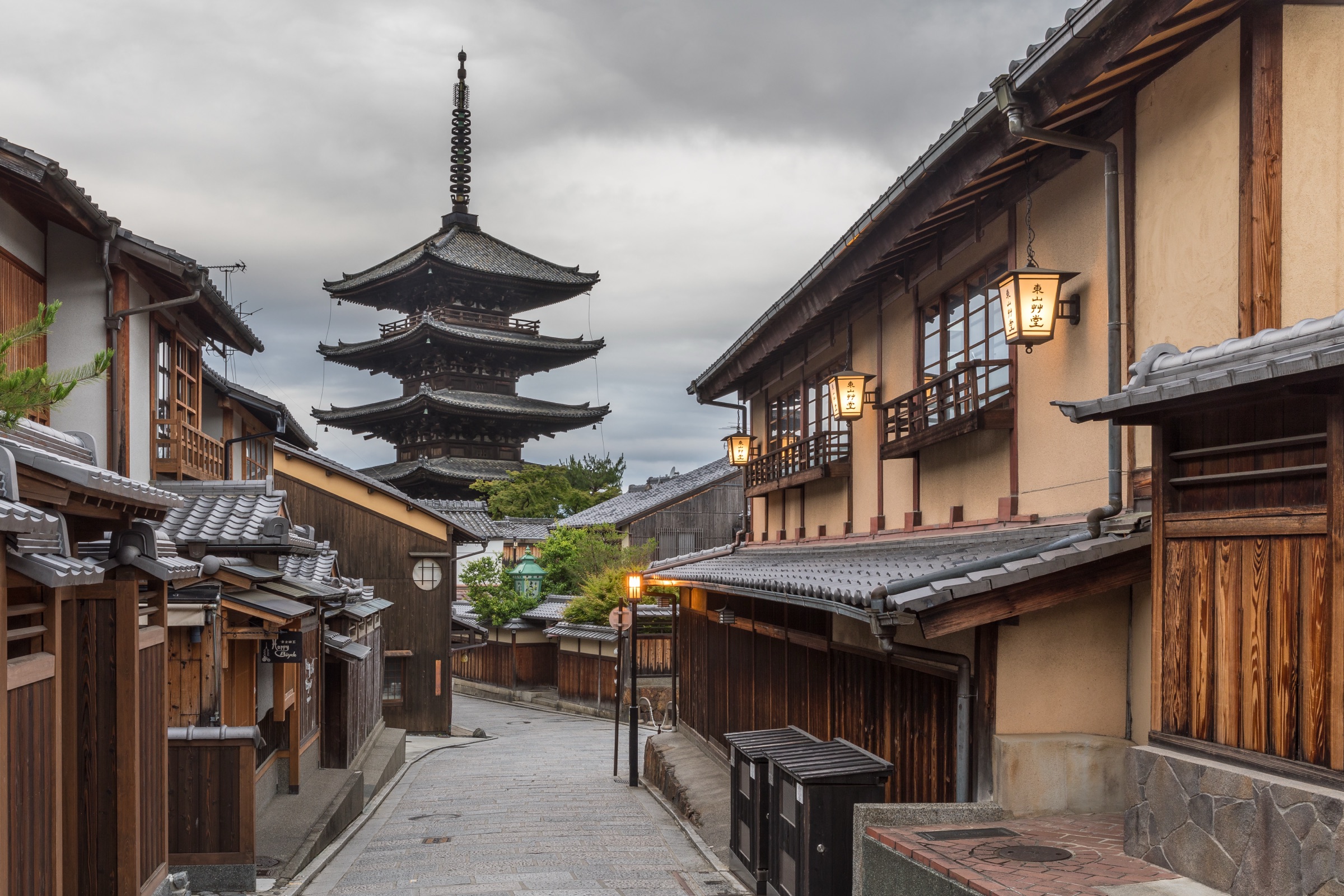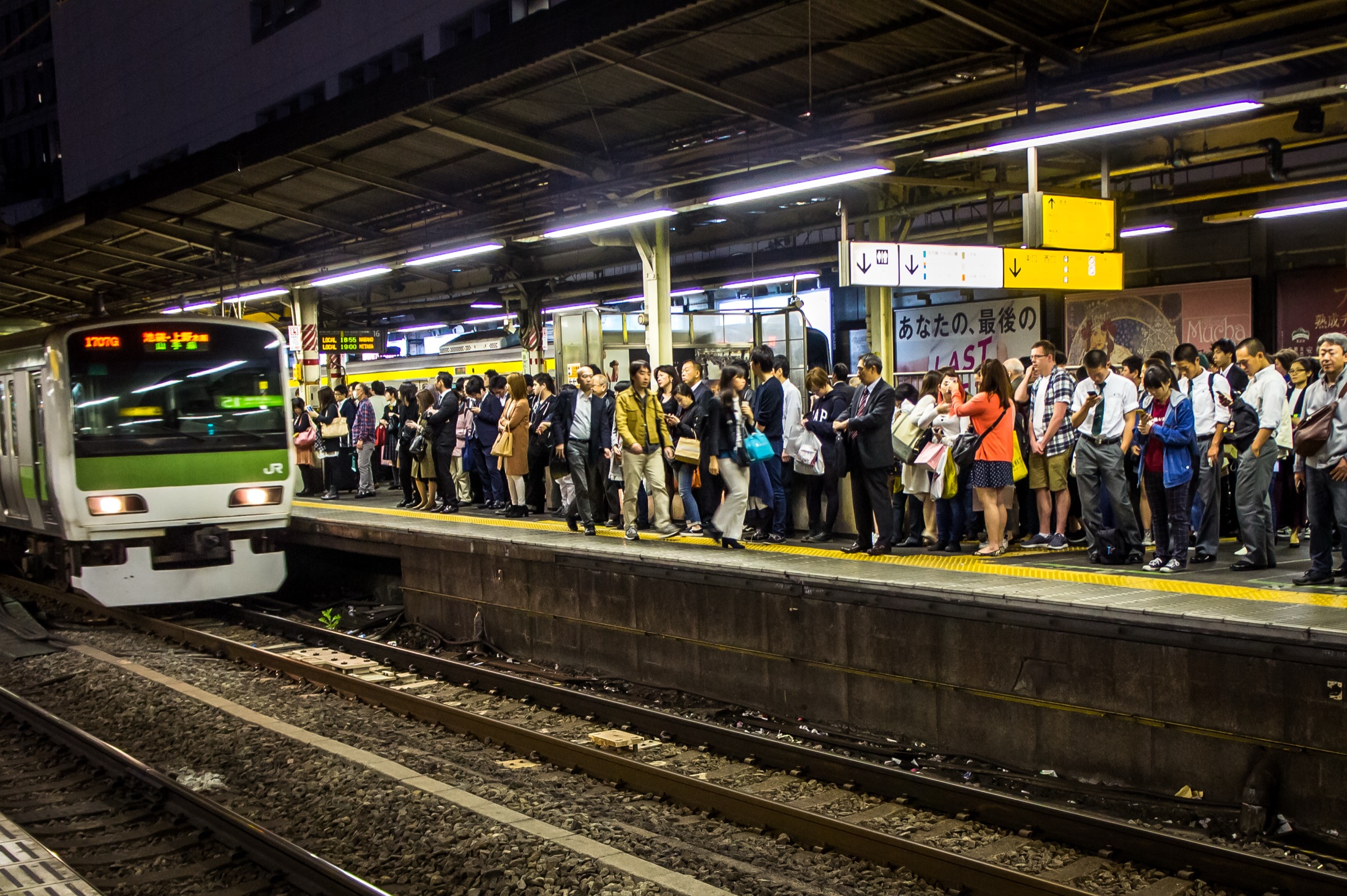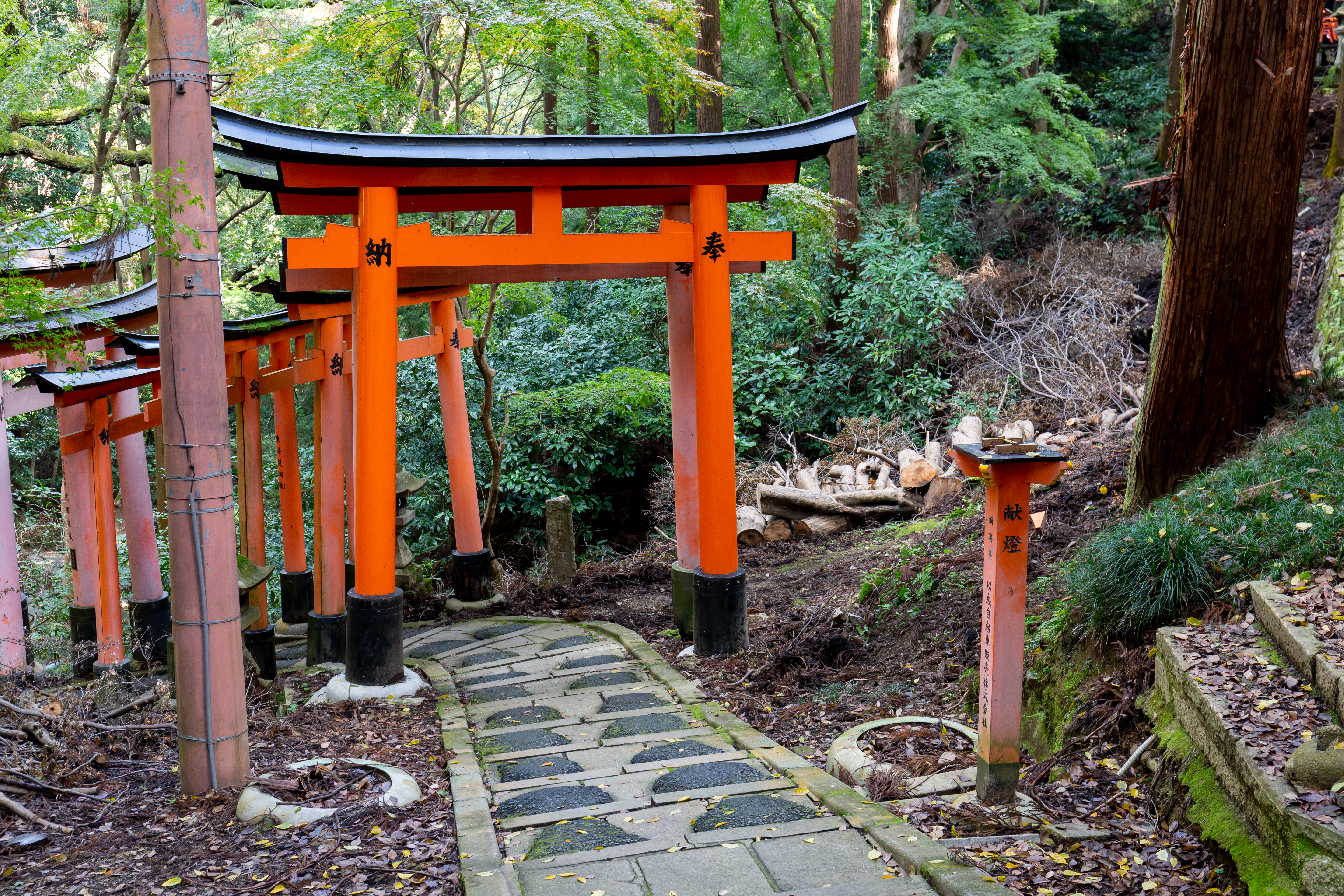
Stay in Shinjuku for the best all-round transport, Shibuya for nightlife and west-Tokyo neighbourhoods, Asakusa for a calmer traditional atmosphere, or Ueno for value and easy northern rail. Tokyo Station works for short rail-heavy stays but has less character after office hours.
The quick version: west for energy, east for calm
Shinjuku and Shibuya keep you close to nightlife, shopping and the smaller west-side neighbourhoods many first-time visitors enjoy. Asakusa and Ueno feel calmer, connect well to traditional sights and often offer better room value.
The wrong question is which area is most central. The useful question is which side of Tokyo contains most of your plans and whether the last train home is part of the evening you want.
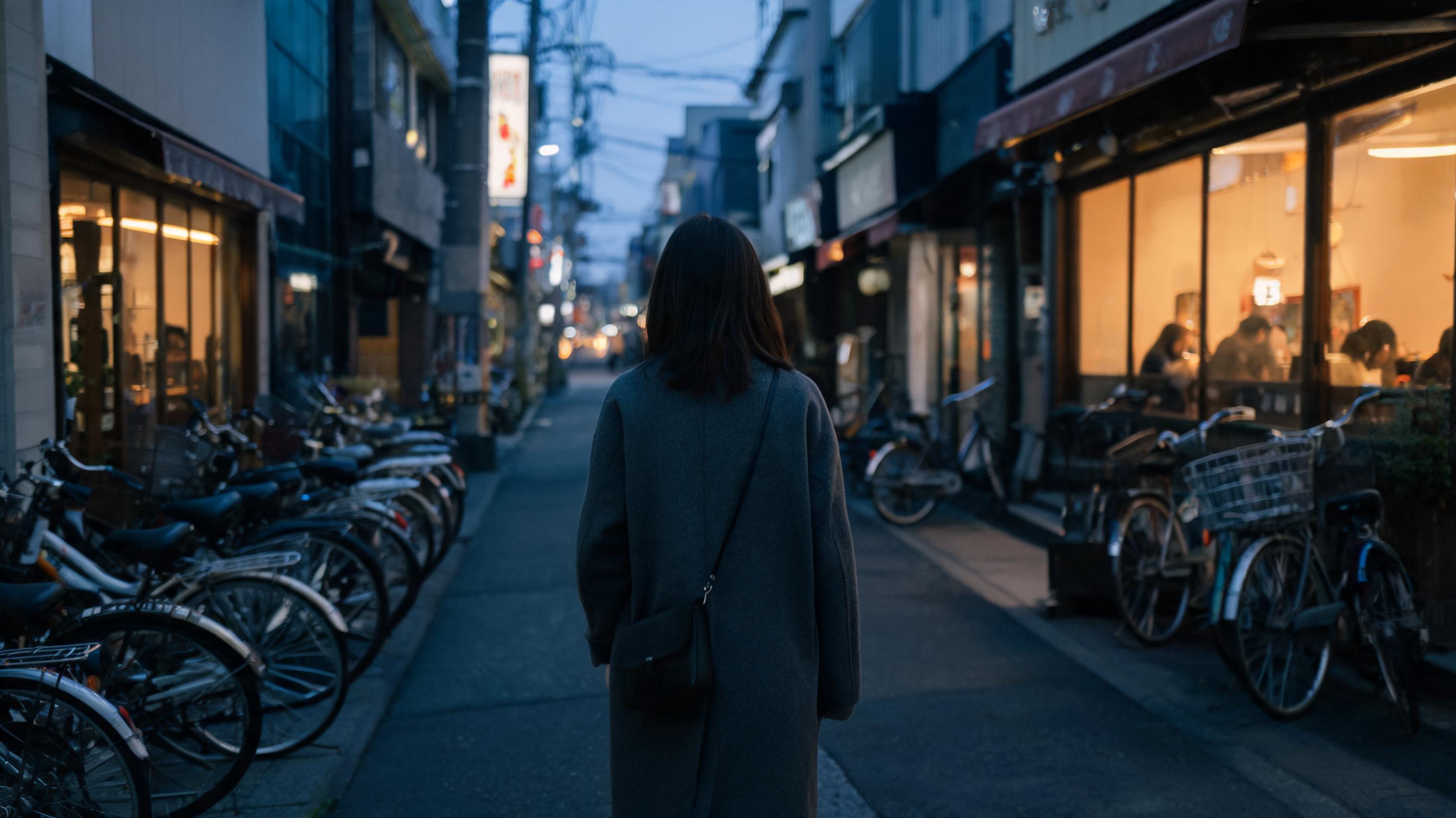
Shinjuku and Shibuya
Shinjuku is the strongest all-round base because its rail connections reach almost every part of the city and several day-trip routes. The station is enormous, so hotel location within Shinjuku matters: the west side is calmer and business-like; Kabukicho is brighter, louder and later.
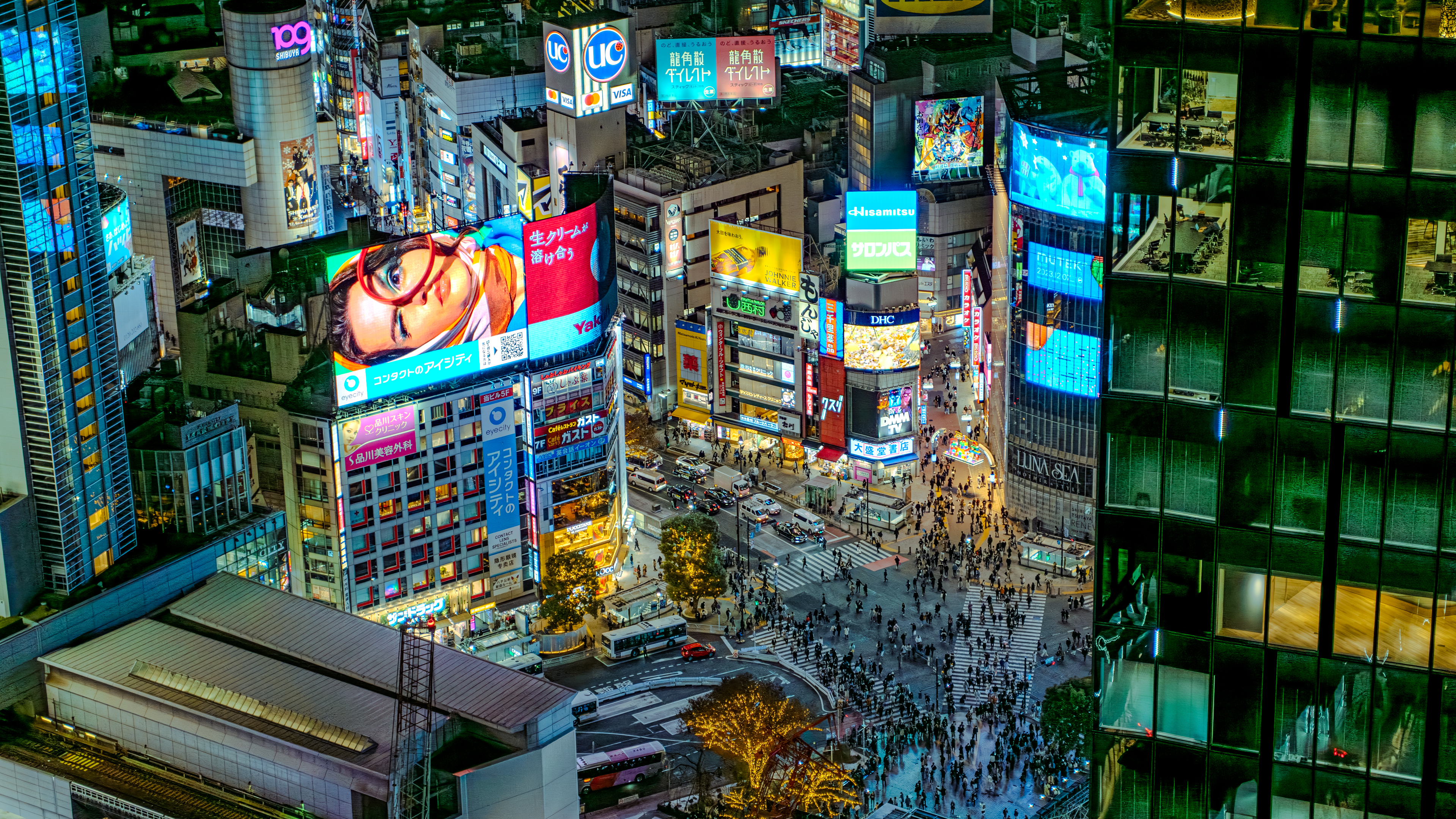
Shibuya feels younger and more immediately cinematic. It is better for Daikanyama, Harajuku and late evenings, but less convenient for Asakusa and Ueno. Choose it because you want the neighbourhood, not because you recognise the crossing.
Asakusa, Ueno and Tokyo Station
Asakusa gives you temple streets in the morning and a slower return at night. The drawback is travel time to Shibuya and Shinjuku. Ueno is more connected, close to major museums and often better value, though parts of the station area feel functional rather than charming.
Tokyo Station and Marunouchi are excellent for a short stay built around intercity trains. Rooms tend to cost more, and the business district becomes quiet after work. Stay here when the Shinkansen is the organising principle.
- Check the station exit nearest the hotel; the wrong side of a giant station adds a long indoor walk.
- A direct ride with a slightly longer journey is often easier than a short trip with two transfers.
Ginza, Roppongi and smaller neighbourhood choices
Ginza suits travellers who value polished hotels, shopping and central dining. Roppongi works for nightlife, contemporary art and international restaurants but is less useful as a rail hub.
Koenji, Shimokitazawa and Kichijoji offer stronger neighbourhood character and smaller venues. They are rewarding on a longer trip; on a three-night first visit, the daily commute can overwhelm the savings.
Frequently asked questions
Is Shinjuku too busy for families?
Not necessarily. Choose the west side or an area away from Kabukicho. The transport convenience can outweigh the station's scale once you learn the nearest exit.
Should I split my Tokyo stay between two hotels?
Usually no for a stay under a week. Moving luggage costs more time than crossing the city. Split only if one stay connects directly to an early airport or rail departure.