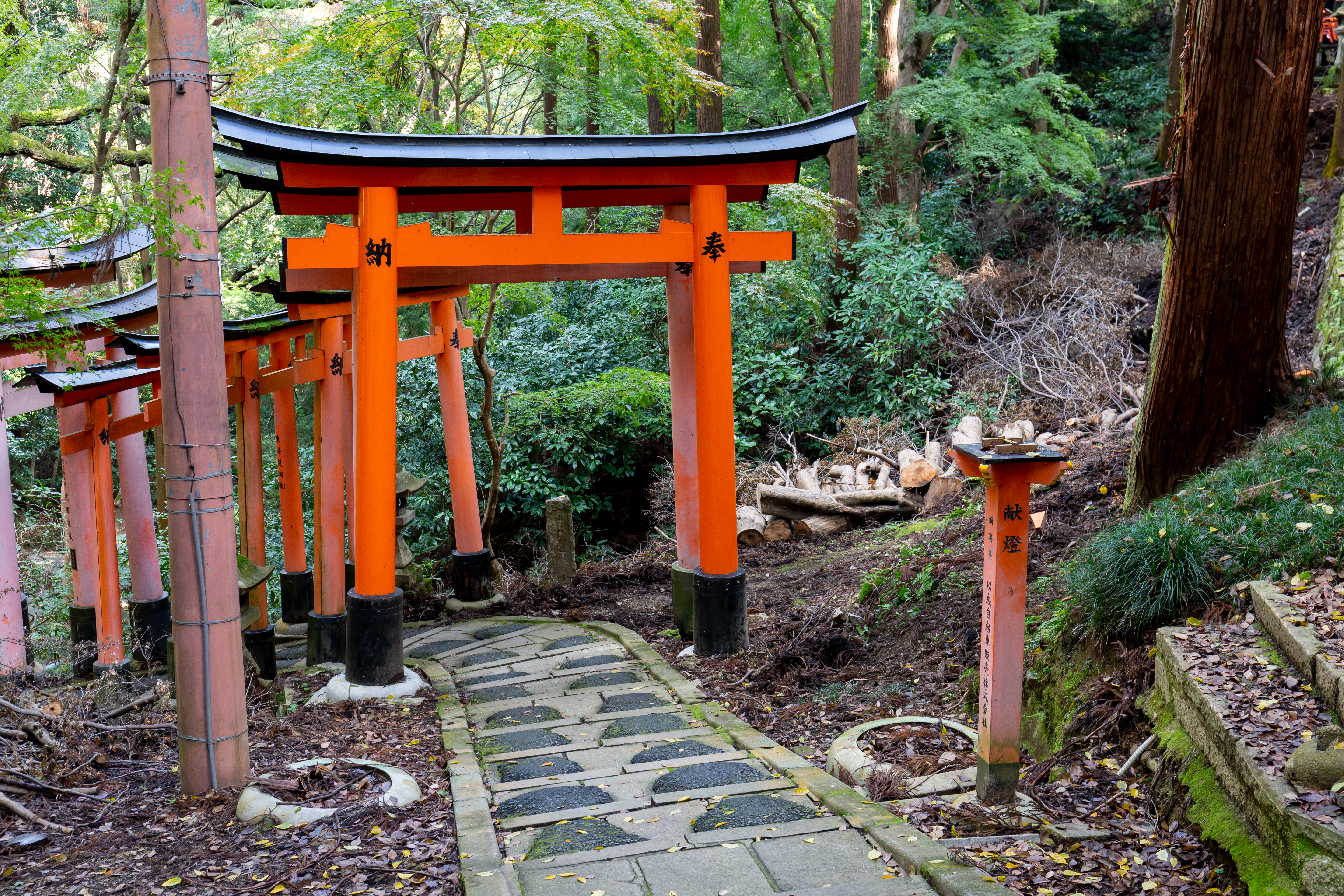
Set up an IC card if your phone supports it, carry a small amount of cash, download offline access to bookings, pack lighter than usual and learn the hotel-to-station route before travel days. Book the handful of high-demand experiences, not every meal and hour.
Money, cards and connectivity
Cards are widely accepted in cities, but cash still matters at small restaurants, temples, ticket machines and rural businesses. Keep notes and coins organised; convenience stores and post-office ATMs are useful backup points.
Reliable mobile data turns station exits, translation and last-minute opening checks into manageable tasks. Save hotel names and addresses offline in both English and Japanese.
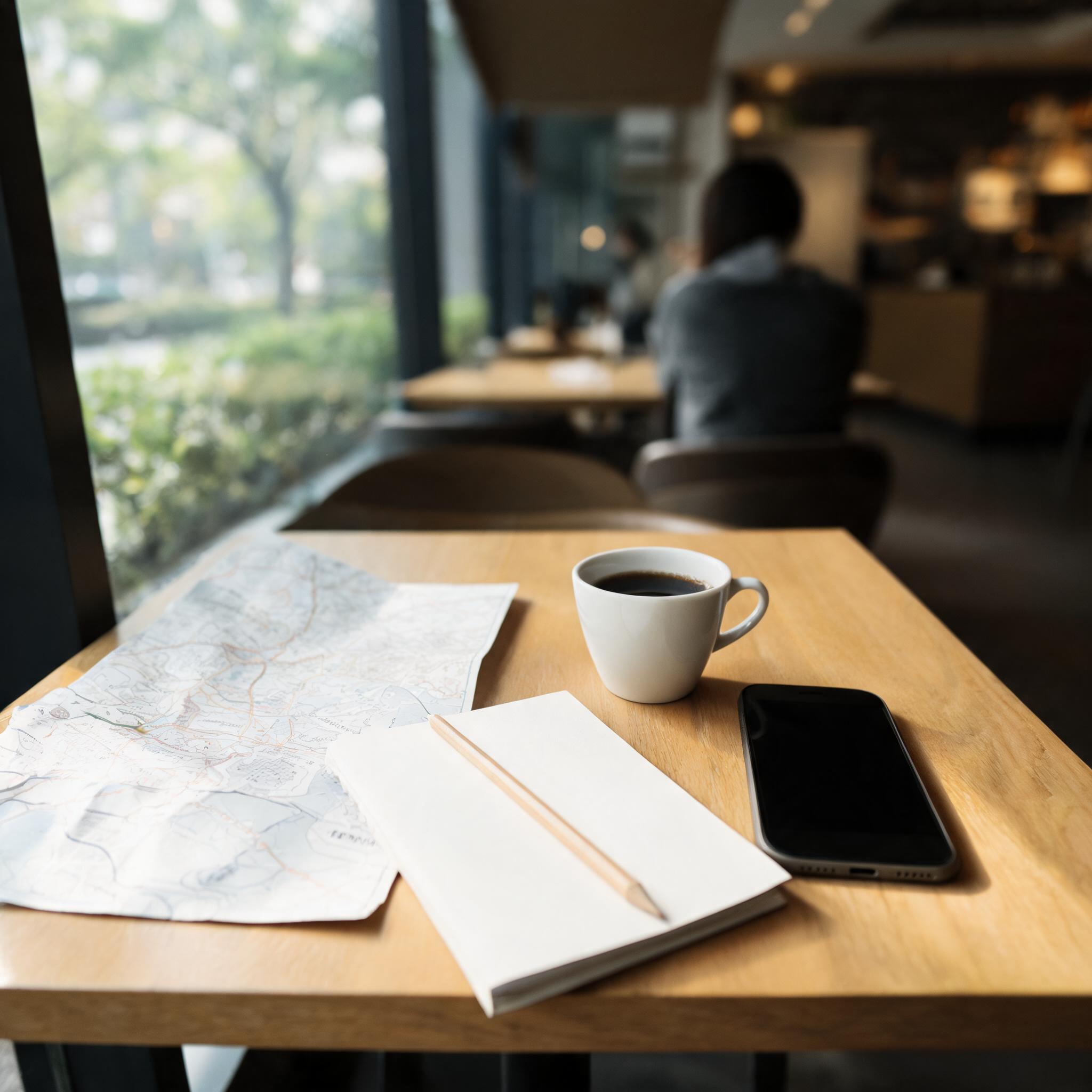
Luggage changes the difficulty of the trip
Large suitcases are possible and often inconvenient. Station stairs, compact rooms and busy trains reward lighter luggage. Use coin lockers for day stops and luggage forwarding between major hotels when the route benefits.
Pack one smaller bag for a night when the main suitcase travels ahead. Confirm hotel acceptance and delivery timing before relying on the service.
- Keep medication and one change of clothes with you.
- Do not send passports or irreplaceable items in forwarded luggage.
Etiquette is mostly about reading the room
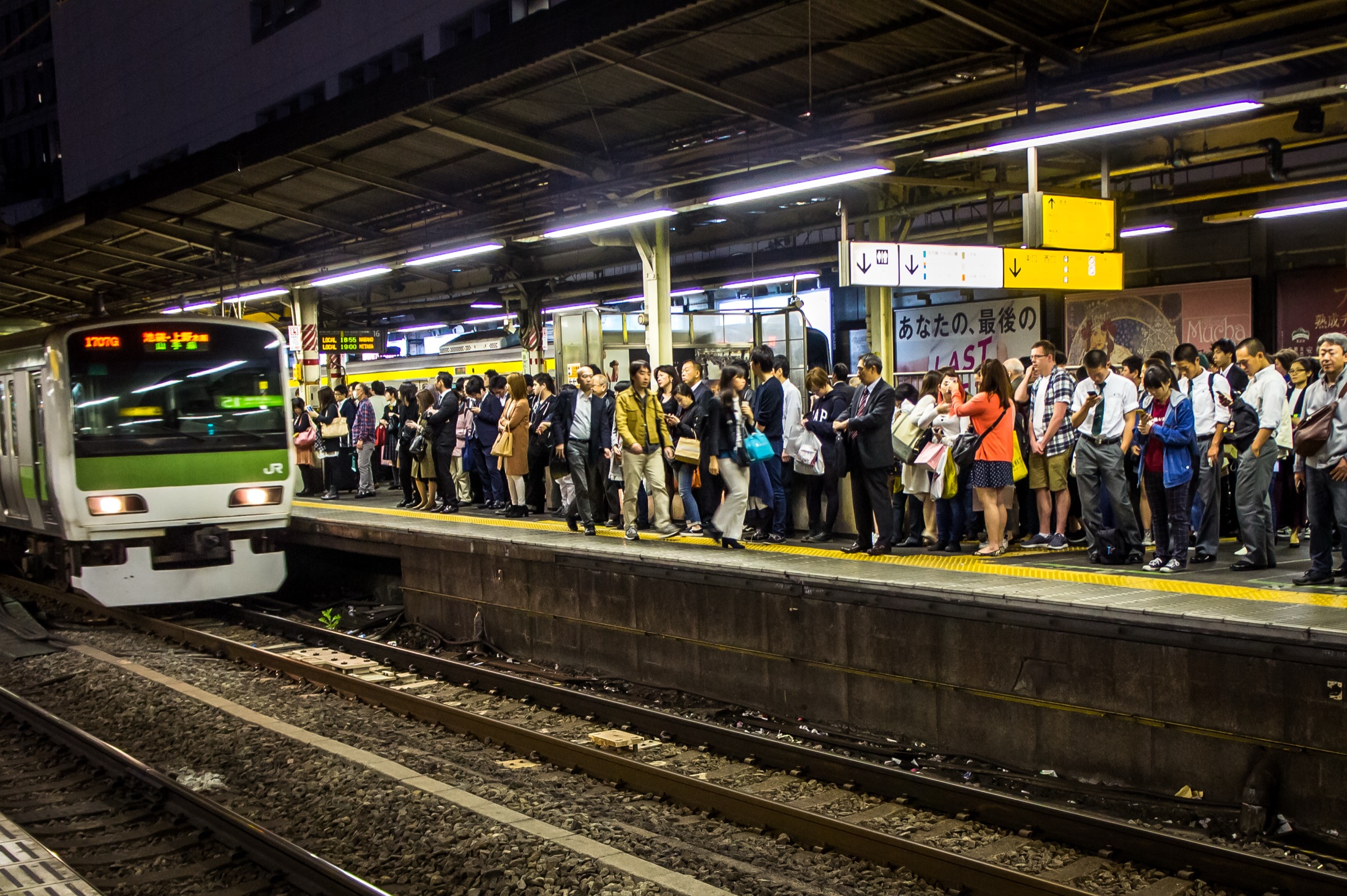
Queue where others queue, keep phone calls off crowded trains, take shoes off when the space signals it and avoid eating while weaving through busy streets. None of this requires performance; attention is enough.
At shrines and temples, follow the posted route and photography rules. In small restaurants, a short meal and clear ordering are often more considerate than lingering when a line forms.
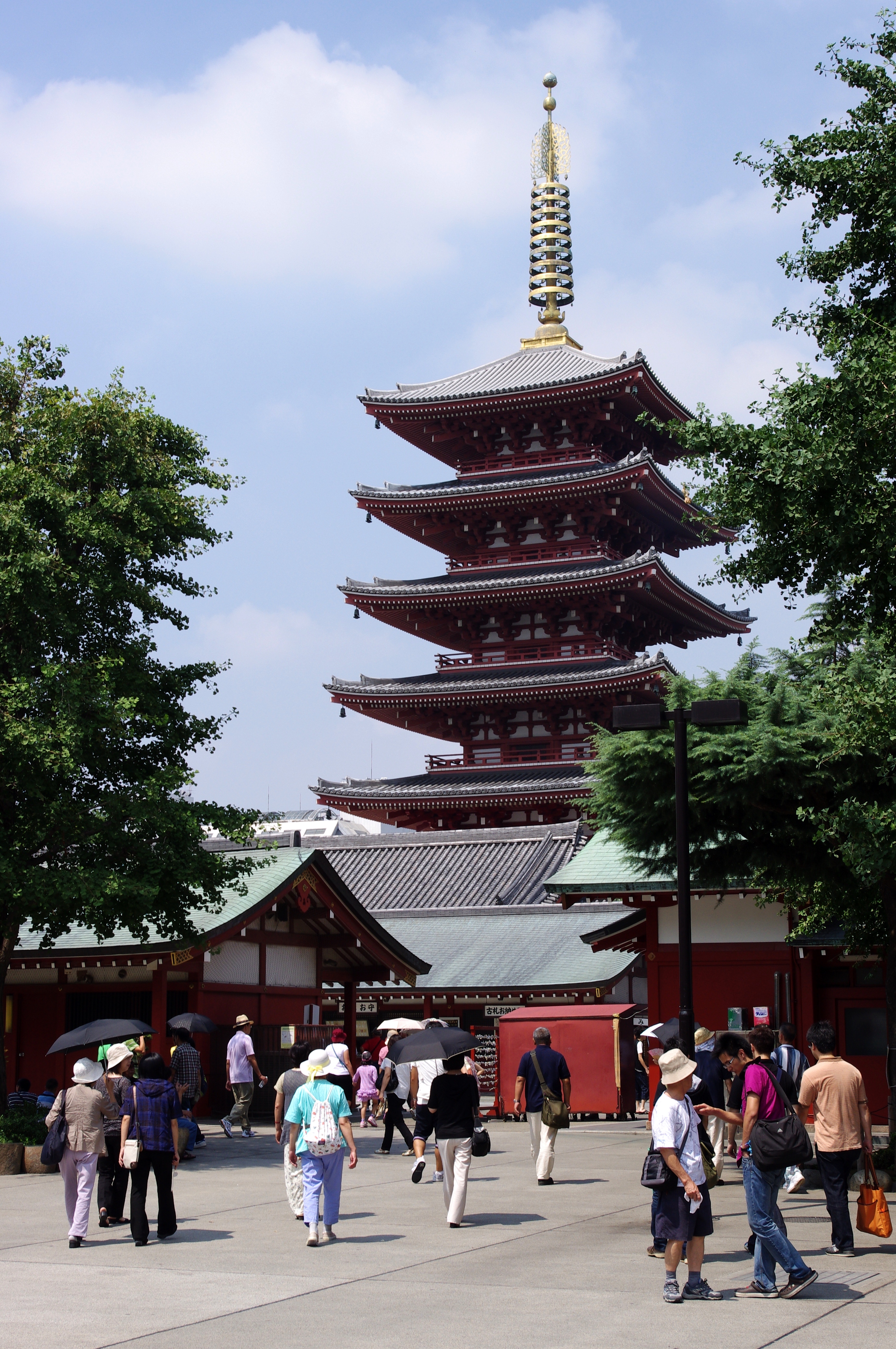
Book pressure points, leave the rest flexible
Popular observation decks, theme parks, seasonal experiences and a small number of acclaimed restaurants can require advance booking. Ordinary neighbourhood meals usually do not.
A fully reserved itinerary removes the freedom that makes Japan enjoyable: stopping at a garden, changing dinner plans or staying longer in a neighbourhood. Fix the scarce moments and let the rest move around them.
Frequently asked questions
How much cash should I carry?
Enough for a day of small purchases and a meal is a practical starting point. Replenish at reliable ATMs rather than carrying the whole trip budget.
Do I need to speak Japanese?
No for a standard first route, but learning greetings and having addresses in Japanese makes interactions and navigation easier.