Stay in Flatiron or Union Square for the strongest all-round first base, the Upper West Side for families and museums, Lower Manhattan for a short downtown-heavy trip, or Williamsburg for restaurants and nightlife. Times Square is practical for Broadway, but rarely the neighbourhood people remember most fondly.
Start with the subway map, then look at the street
A New York hotel decision has two layers. First, can you reach the places on your list without repeated transfers? Second, will the blocks around the hotel still work when you are hungry at 9pm?
The best value often sits one or two neighbourhoods away from the famous address. A hotel near Union Square can reach Midtown and Lower Manhattan quickly while giving you better restaurants and a more local evening than the blocks around Times Square.
Flatiron, Union Square and Greenwich Village
Flatiron and Union Square are our strongest first-trip compromise. Multiple subway lines intersect here, the streets are easy to orient around and you can walk into the Village, Chelsea or Midtown without committing the whole day to one zone.
Greenwich Village is more atmospheric and usually more expensive. Choose it when cafés, small streets and late dinners matter more than a large room. Check whether the nearest station serves the line you will actually use; charming blocks can hide a surprisingly long transfer.
Upper West Side, Lower Manhattan and Midtown
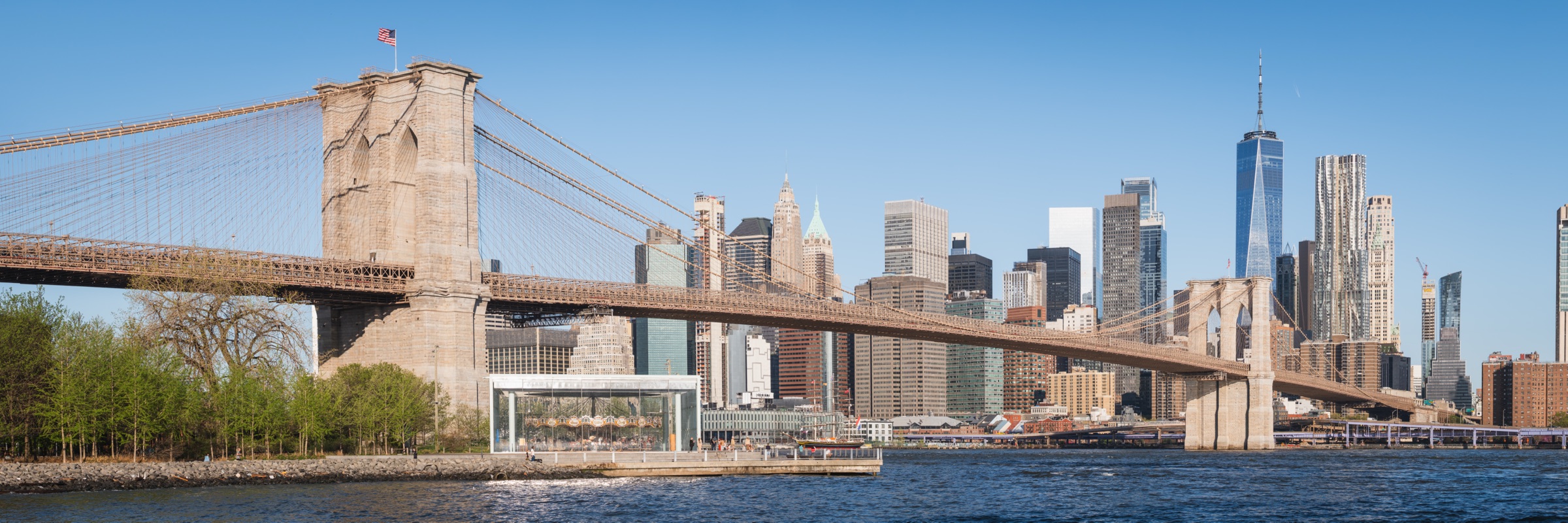
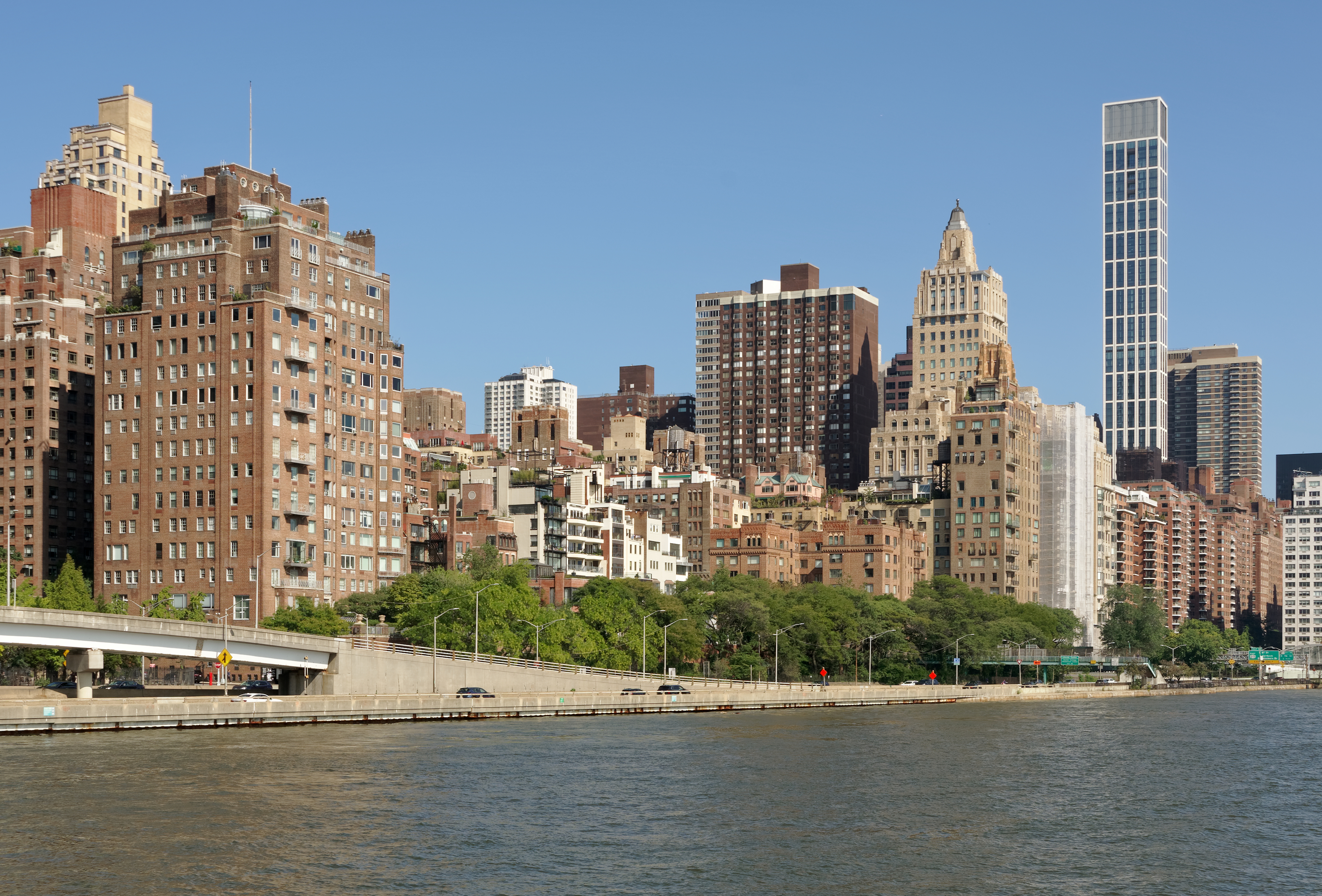
The Upper West Side works for families because Central Park, the American Museum of Natural History and calmer residential streets are close together. Lower Manhattan suits a compact trip centred on the harbour, Brooklyn Bridge, the memorial and downtown architecture.
Midtown is the logistics winner: Broadway, major subway connections and several stations are close. It is also busy, visually loud and less rewarding for an unplanned evening. Stay there for a short, theatre-heavy trip — not because a booking site labels it the default.
- A room ten blocks from a station can add up quickly after a full day walking.
- Check late-night subway changes for weekend stays.
Williamsburg and Long Island City
Williamsburg is the strongest Brooklyn choice for a first visit when restaurants, bars and waterfront evenings matter. The L train makes Manhattan access simple when service is normal, but you will feel the river crossing in a packed itinerary.
Long Island City is often better value and can be minutes from Midtown. The trade-off is that the immediate blocks around some hotels feel office-led and quiet. Choose it for room size and transport, not for the neighbourhood romance implied by a skyline photo.
Frequently asked questions
Is Times Square a bad place to stay?
No. It is exceptionally convenient for Broadway and a short first visit. The drawbacks are crowds, noise and a weaker neighbourhood feel after the shows end.
Should a first-time visitor stay in Brooklyn?
Yes if the neighbourhood is part of the appeal and the trip is at least four nights. For a two-night landmarks sprint, Manhattan is more efficient.