For a first trip, stay in Bloomsbury for museums and easy transport, South Bank for a short landmark-heavy visit, or Soho if restaurants and late evenings matter most. Choose Notting Hill for a slower neighbourhood feel and Shoreditch for nightlife — but expect longer journeys to Westminster.
The quick version: match the area to your evenings
London is too large for the phrase central to settle the decision. A hotel beside one famous landmark can still leave you changing lines twice for dinner, while an ordinary-looking street near a useful Tube interchange can save an hour every day.
For most first-time visitors, the useful triangle runs from Bloomsbury to Soho and the South Bank. It keeps the West End, Westminster, the British Museum and the river within a short ride or a realistic walk. The more neighbourhood-led choices — Notting Hill, Shoreditch, Marylebone and Greenwich — work best when their atmosphere is part of the reason for the trip.
Bloomsbury: the easiest all-round first base
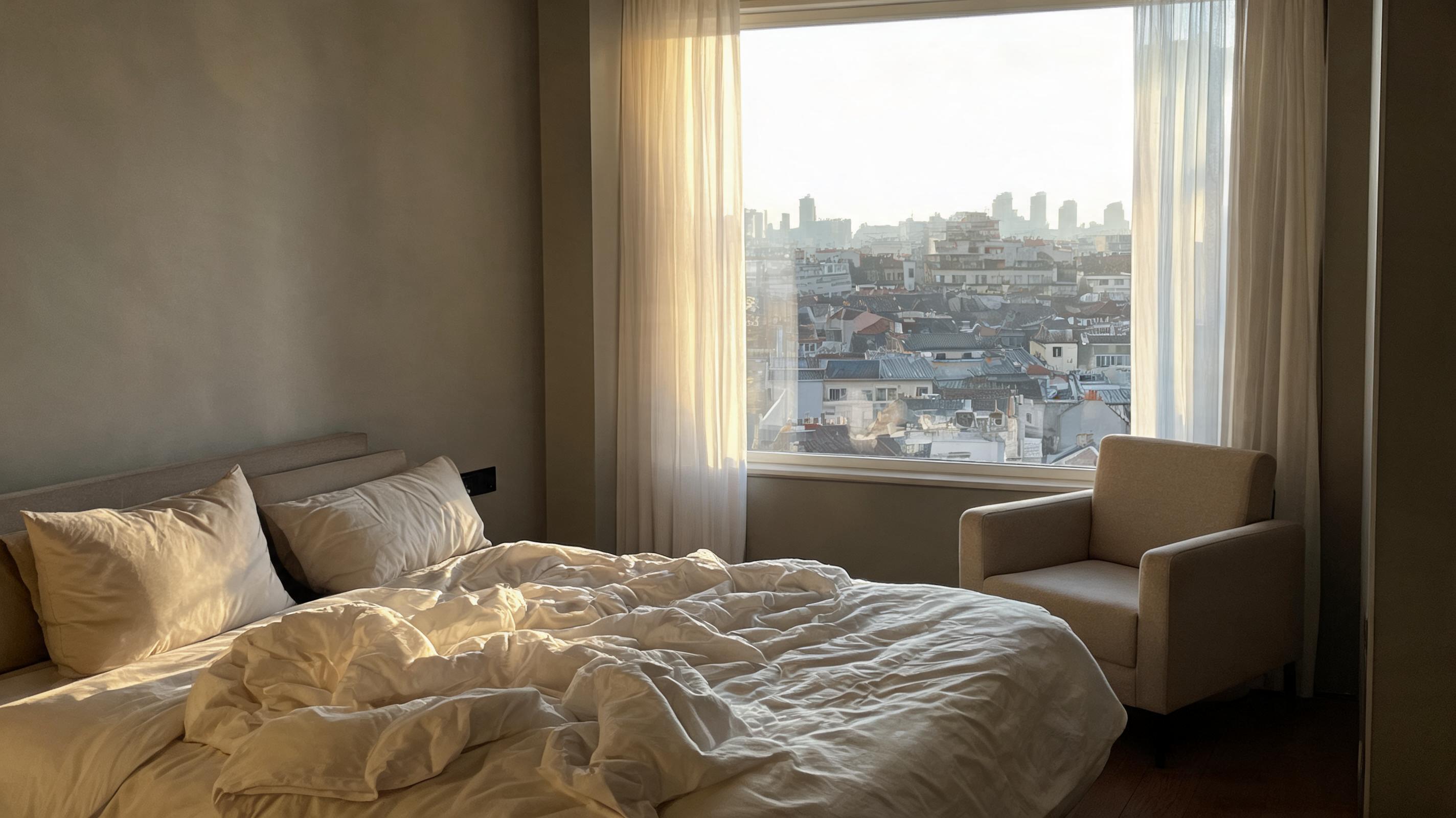
Bloomsbury is our default recommendation because it solves several practical problems at once. The British Museum is on the doorstep, Covent Garden and Soho are walkable, and the Piccadilly line makes Heathrow simpler than it is from many supposedly smarter addresses.
The compromise is atmosphere after dark: some streets feel academic and quiet rather than cinematic. That is a feature for light sleepers and a drawback for travellers who want to step straight into bars and late dining. Look between Russell Square, Holborn and Tottenham Court Road rather than drifting north toward Euston Road.
- Pick a hotel south of Euston Road for a more pleasant evening walk.
- Holborn is useful when your itinerary mixes the City and the West End.
South Bank and Soho: choose landmarks or nightlife
South Bank is the efficient choice for a compact visit. The river walk joins the London Eye, Tate Modern and Borough Market, and Westminster sits across the bridge. It works especially well for families who want obvious orientation and fewer decisions on day one.
Soho is almost the opposite: smaller rooms, louder streets and a much better late-night landing. Stay here when restaurants, theatre and being able to walk home after a drink outrank space. Avoid rooms directly above Old Compton Street if sleep matters.
Notting Hill, Shoreditch, Marylebone and Greenwich
Notting Hill is the prettiest slow-morning choice, with cafés, stucco streets and Portobello Road. Shoreditch is stronger for independent restaurants, nightlife and a younger pace. Marylebone is polished, calm and expensive, while Greenwich gives you village character and a dramatic river approach at the cost of distance.
None is wrong. The question is whether you want your neighbourhood to be the evening destination or merely the launch point. For a trip under four nights, Greenwich usually costs too much time; for a full week, that separation can be exactly the appeal.
- Check the walking route to the nearest station, not only the straight-line distance.
- A direct line beats a technically central postcode with daily changes.
Frequently asked questions
Is it better to stay near Paddington or King's Cross?
Both are transport-led choices. King's Cross is better for Eurostar and northbound rail; Paddington is convenient for Heathrow and western day trips. Neither has the best first-night atmosphere, so stay a few streets away from the station frontage.
Which London area is best for families?
South Bank is easiest for a short landmark-focused trip; Bloomsbury is calmer and gives families more flexible transport for a longer stay.
Where should light sleepers avoid?
Avoid rooms facing the busiest Soho streets, Shoreditch club corridors and main roads around Leicester Square. Read the room location, not only the hotel address.