Use trains between major cities, local buses for compact regions and organised day tours only where the rural last mile is weak. Do not hire a car for a London–York–Edinburgh route. Consider one for the Cotswolds, rural Wales, the Highlands or a cottage stay far from a station.
Where trains are the obvious answer
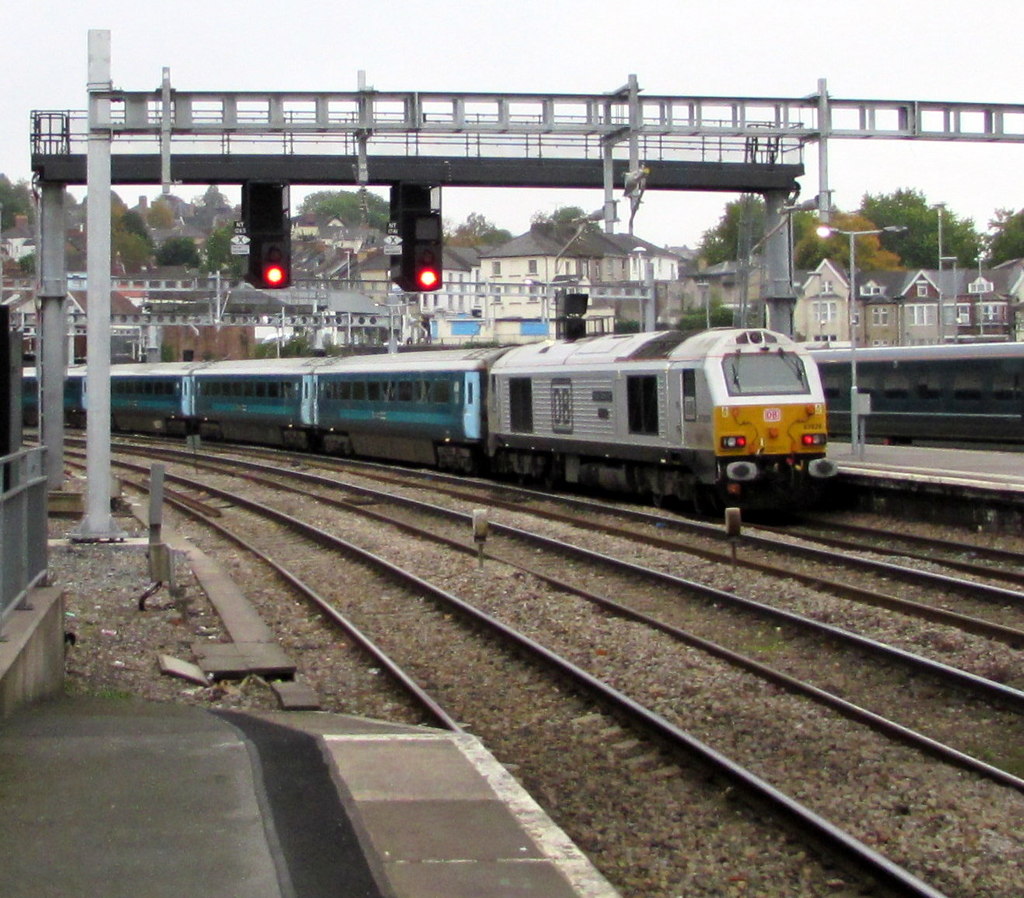
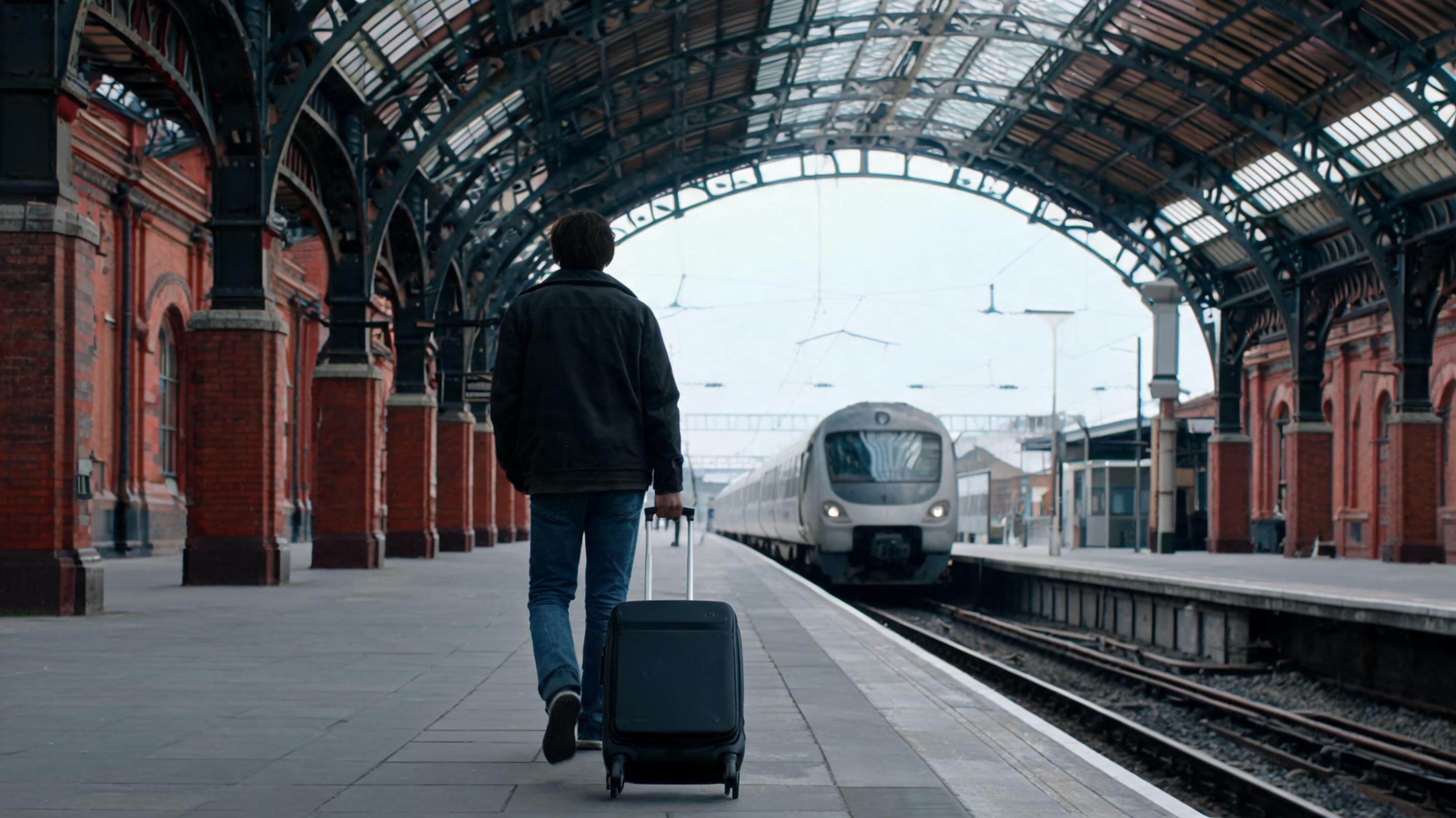
London, Bath, Oxford, York, Manchester, Liverpool, Edinburgh and Glasgow all work naturally by rail. Stations are usually central, and the journey avoids airport-style arrival time and city-centre parking.
For a first trip, think in corridors rather than a national loop: London to Bath or Oxford; London to York and Edinburgh; Manchester to Liverpool; Edinburgh to Glasgow. Crossing between corridors is possible but often slower than the map suggests.
Tickets: flexibility is what changes the price
Advance tickets usually tie you to a particular train. Off-Peak and Anytime tickets cost more because they buy freedom. Compare the exact rules, not only the fare, and leave a buffer after an international arrival before committing to a fixed departure.
Split-ticketing can reduce some fares, but it adds complexity and does not change the train you sit on. For a short itinerary, the larger win is booking the two longest journeys early and keeping local trips flexible.
- Use the National Rail journey planner to confirm the operator and restrictions.
- Download tickets before leaving reliable Wi-Fi.
Buses, ferries and the rural last mile
The Lake District, Cotswolds and parts of Wales have useful buses, but frequency matters more than the existence of a route. A timetable with a two-hour gap can turn a flexible day into a missed connection.
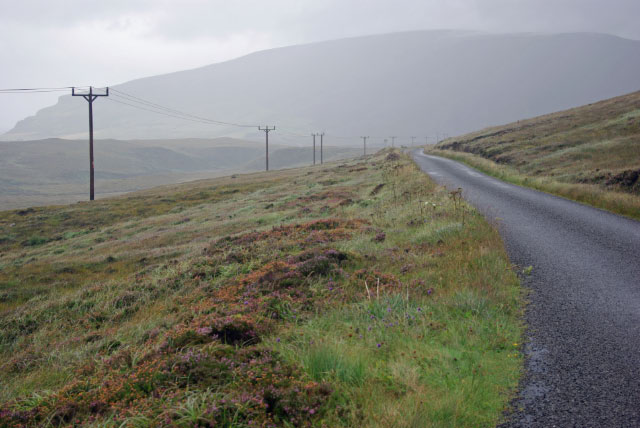
In the Scottish Highlands, ferries and buses can make a car-free journey memorable, but the route becomes the trip. If your goal is a specific remote cottage or trailhead, a car may be the practical choice rather than a failure of planning.
When to hire a car for only part of the trip
The strongest compromise is often rail between cities and a short rental from a regional station. Pick up after leaving London, return before entering Edinburgh, and avoid paying for a vehicle while it sits in a city garage.
Use this pattern for two or three countryside nights, not for a daily sequence of long drives. Check parking at the accommodation and the exact pickup opening hours before fixing the train around it.
Frequently asked questions
Can I visit the Cotswolds without a car?
Yes, but choose a rail-connected base such as Moreton-in-Marsh and plan around bus frequency. A day tour is easier if you want several villages in one day.
Is a rail pass always cheaper?
No. Advance tickets can be cheaper for a fixed route. A pass is most valuable when flexibility matters or the itinerary includes several long travel days.