Choose Testaccio for traditional Roman cooking and a market-led lunch, Trastevere for a lively first-trip evening, Monti for a flexible meal near the ancient-city route, and Prati for a calmer dinner after the Vatican. Keep the famous centre for convenience, not for an all-trip restaurant plan.
Start with the shape of the day, not a citywide hit list
Rome's food map looks compact until a lunch booking sits across the river from a timed museum entry. The better first-trip strategy is to decide where the day naturally slows down, then search within a walkable radius. A good nearby trattoria is usually more valuable than a celebrated table that turns dinner into another transfer.
This also produces different kinds of meals. Testaccio makes sense as a destination lunch. Trastevere works when dinner is the evening plan. Monti catches the gap between the Colosseum, Forum and a walk north. Prati is the useful answer when the Vatican day has already involved enough crowds.
Testaccio for Roman classics and a food-led lunch
Testaccio is the clearest choice when food is an activity rather than a break between sights. The neighbourhood's market and long association with Roman cooking make it a natural place to look for pasta such as carbonara, amatriciana and cacio e pepe, alongside slower-cooked dishes that rarely suit a rushed sightseeing lunch.
It is south of the main historic-centre circuit, so give it a purpose. Pair the market area with a walk around the neighbourhood or continue toward the Aventine rather than dropping in between two distant ticket slots. Lunch is the easier first visit: you see more of the area and avoid making the return journey late at night.
- Check market opening days and hours before building the morning around it.
- Choose one classic dish you actually want rather than treating the menu as a checklist.
Trastevere for a lively evening — with one important trade-off
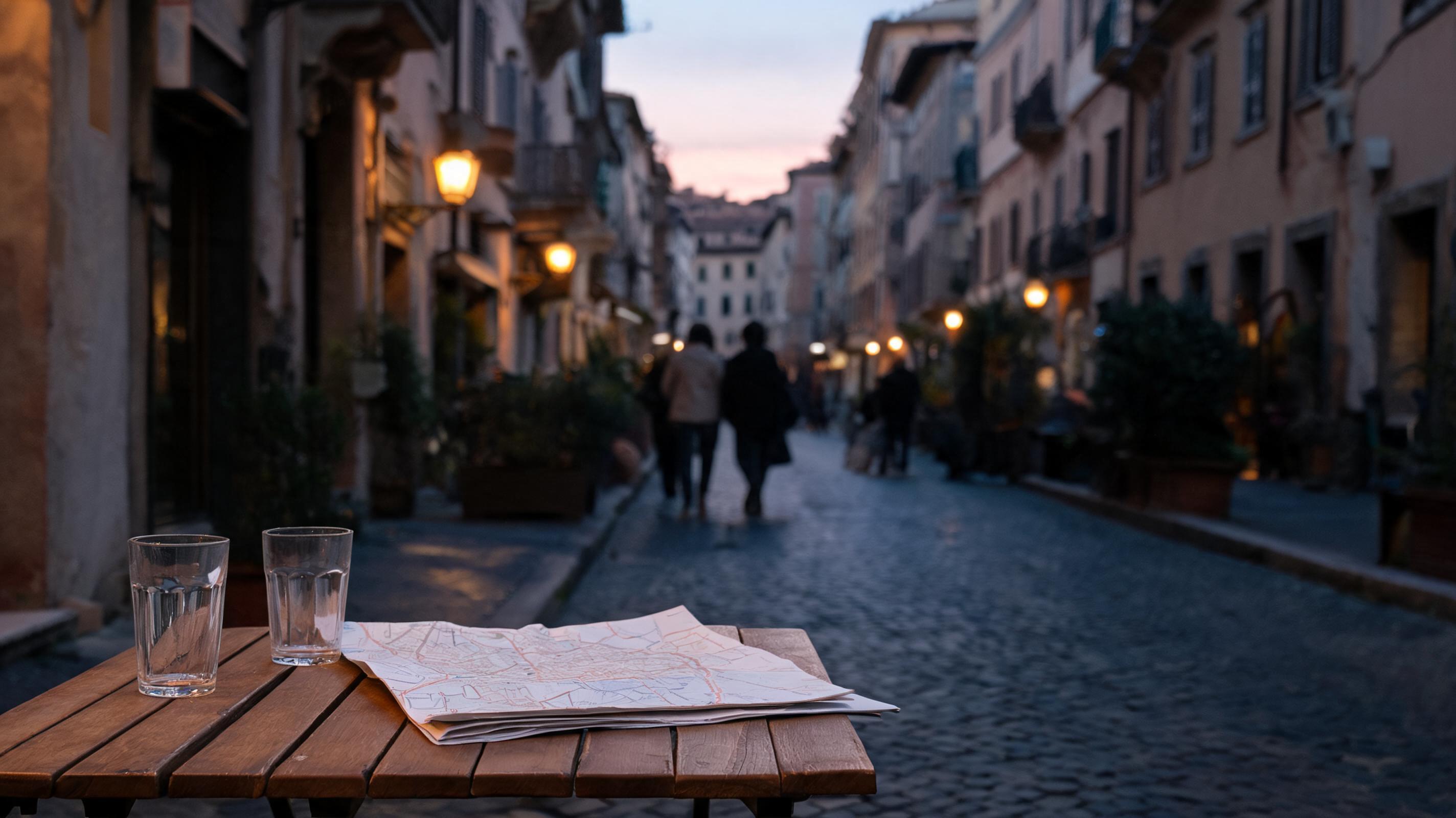
Trastevere gives a first Rome trip the easiest evening narrative: cross the river, walk the lanes, have an aperitivo and stay for dinner. It is atmospheric and simple to understand, which is exactly why the busiest streets can feel crowded and generic at peak time.
Use the neighbourhood for the whole evening, but do not assume the busiest lane holds the best meal. Walk a little beyond the obvious restaurant clusters, read the menu before sitting down and keep one alternative nearby. The area works best when atmosphere matters as much as the plate.
Monti for the ancient-city day
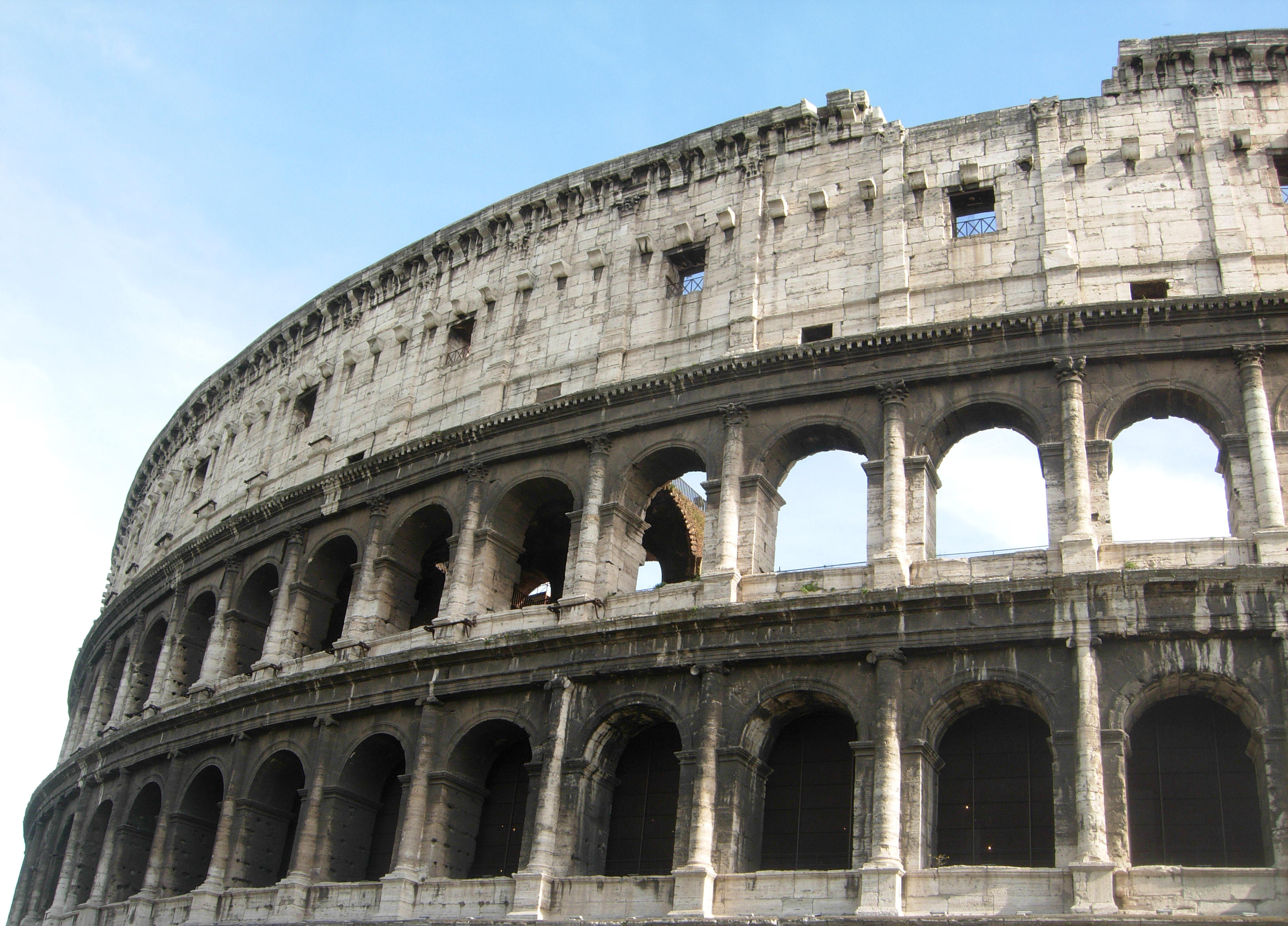
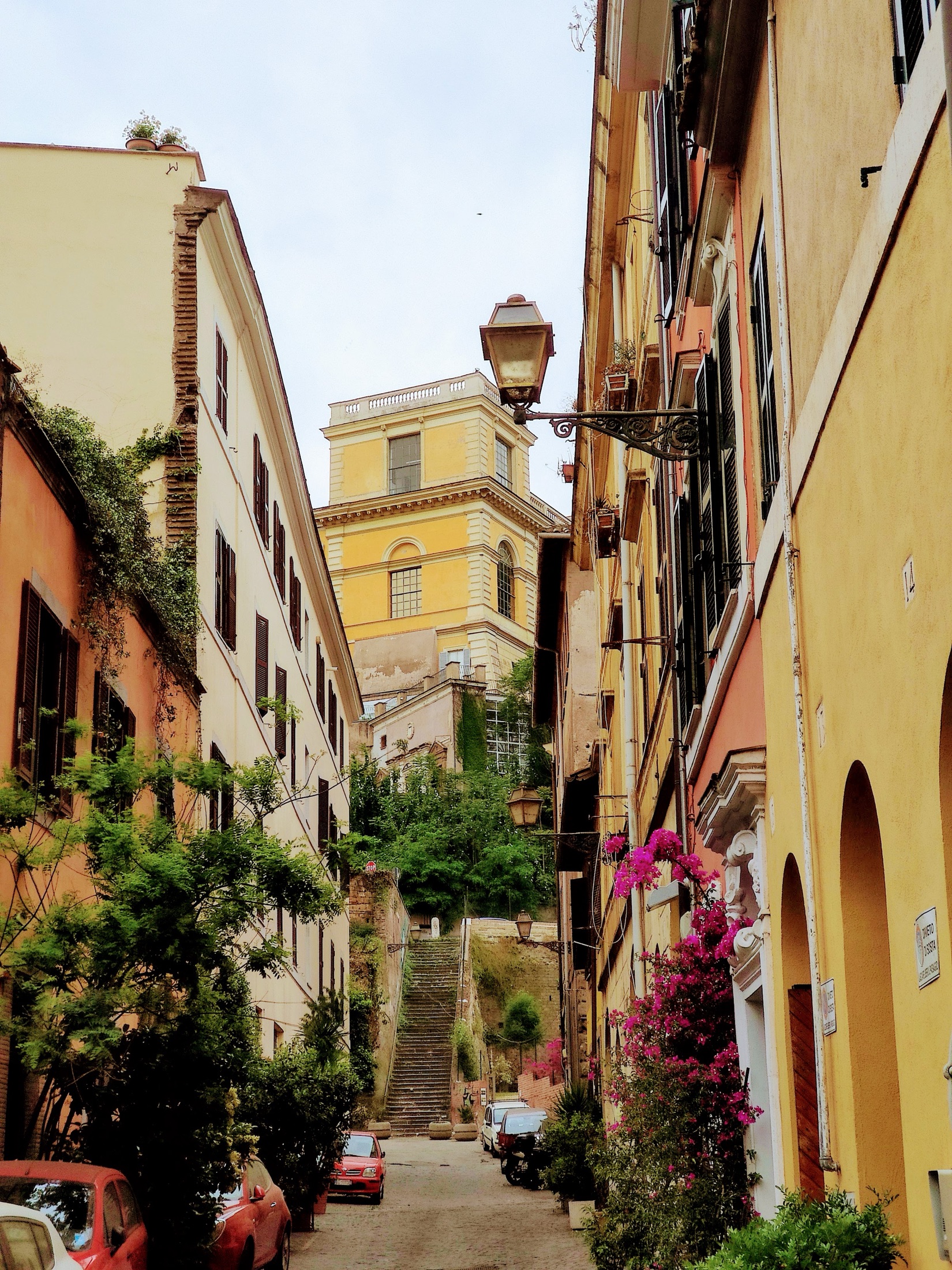
Monti is the practical middle ground for a day around the Colosseum, Roman Forum and central Rome. It has enough cafes, wine bars and trattorias to support an unplanned lunch, while still feeling like a neighbourhood rather than a dining zone built around one market or nightlife strip.
Its strength is flexibility. Stop early before an afternoon ticket, or return after the ruins and stay into the evening. The trade-off is that convenience brings demand: the streets closest to the major sights fill quickly, so move uphill and inward before deciding where to sit.
- Avoid committing to a long lunch immediately before a timed Colosseum or Forum entry.
- Use Monti when the group wants different things; the area offers more formats than a single-purpose food stop.
Prati for a calmer Vatican-day meal
After the Vatican Museums and St Peter's, Prati offers wider streets and a less theatrical dinner setting than the tight lanes around the historic centre. It is useful for travellers who want a proper sit-down meal without turning the evening into another headline attraction.
Prati is not the answer for every Rome day. If the afternoon ends near the Colosseum or Testaccio, crossing the city for dinner is hard to justify. But after the Vatican it is the most coherent choice: walk away from the immediate visitor exits, give the busiest blocks room to thin out and choose a table that suits the pace you still have left.
Frequently asked questions
Do I need restaurant reservations in Rome?
Reserve a specific high-demand dinner or a Friday and Saturday evening table. Keep ordinary lunches and at least one dinner flexible so the meal can follow the day's pace.
Is Trastevere a tourist trap?
No, but its busiest lanes contain plenty of places aimed at passing visitors. The neighbourhood is still a strong evening choice if you compare menus, walk beyond the obvious clusters and keep an alternative.
Which Rome neighbourhood is best for food overall?
There is no single best area for every trip. Testaccio is the strongest food-led outing, Trastevere the easiest atmospheric evening, Monti the most flexible central option and Prati the calmest match for a Vatican day.