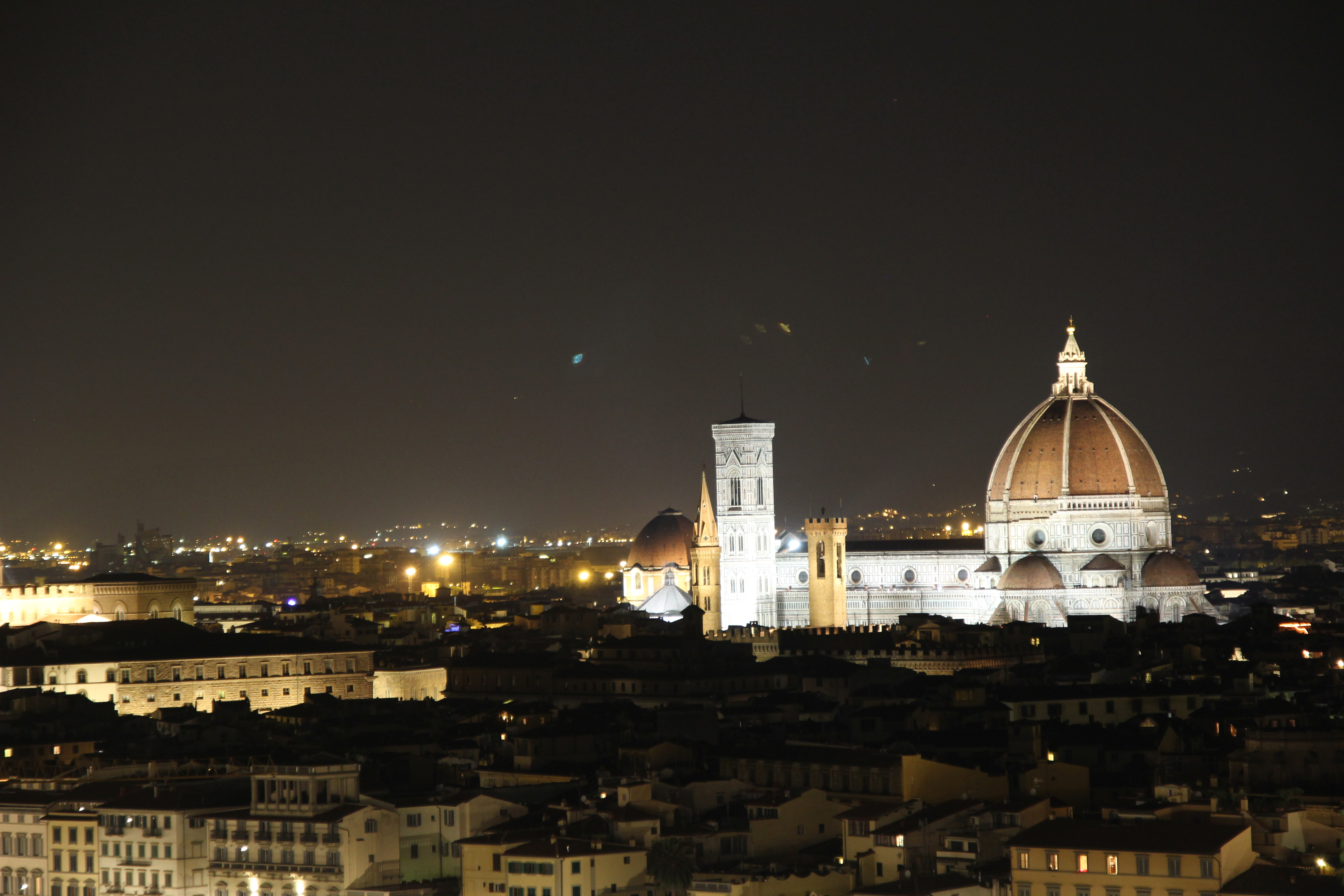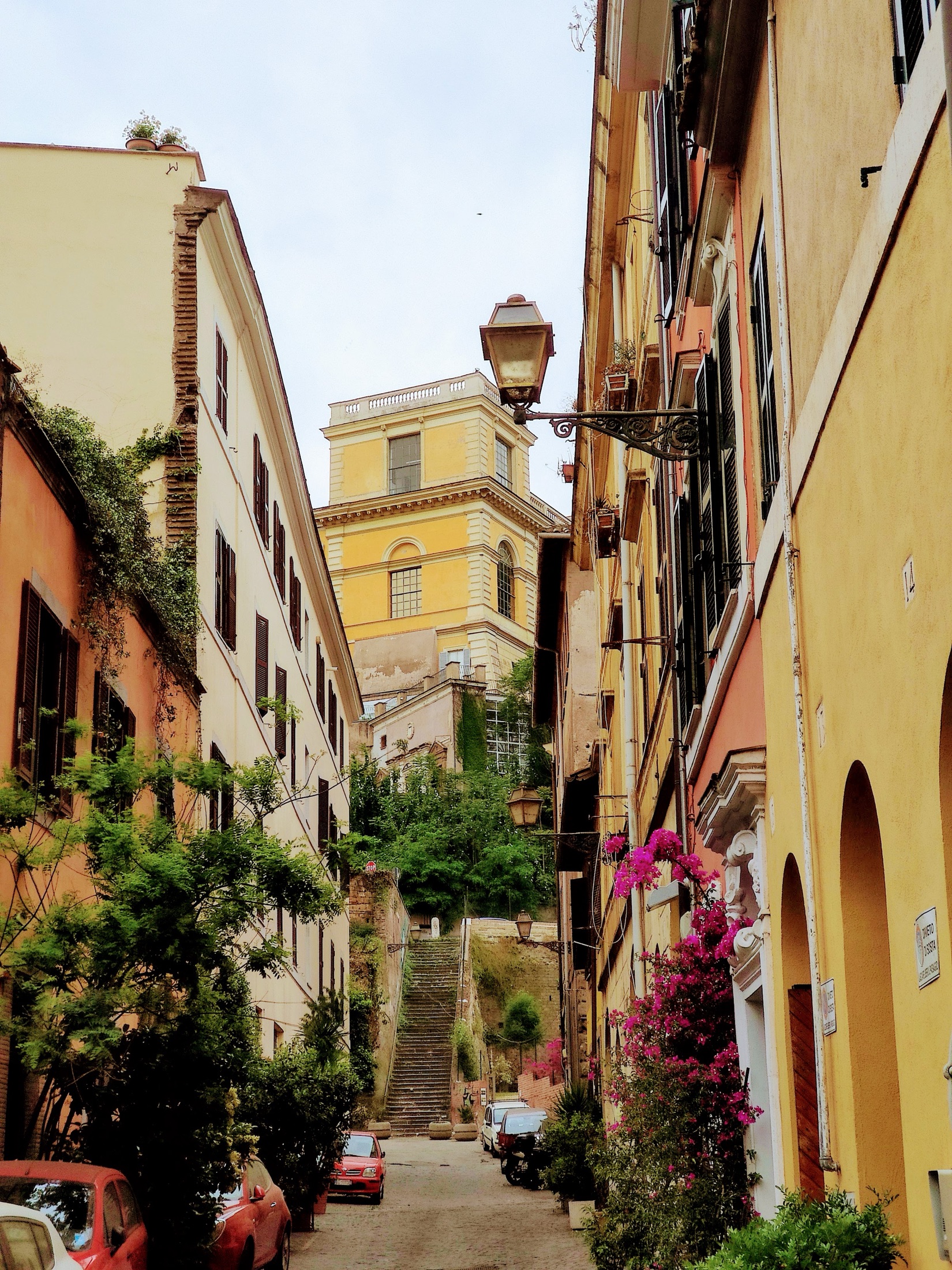
Use trains for Rome, Florence, Bologna, Venice, Milan and Naples. Hire a car for rural Tuscany, Puglia, Sicily or the Dolomites when the route includes small towns and countryside stays. The strongest mixed trip uses rail for cities and a short regional rental in the middle.
Take the train for the classic first route
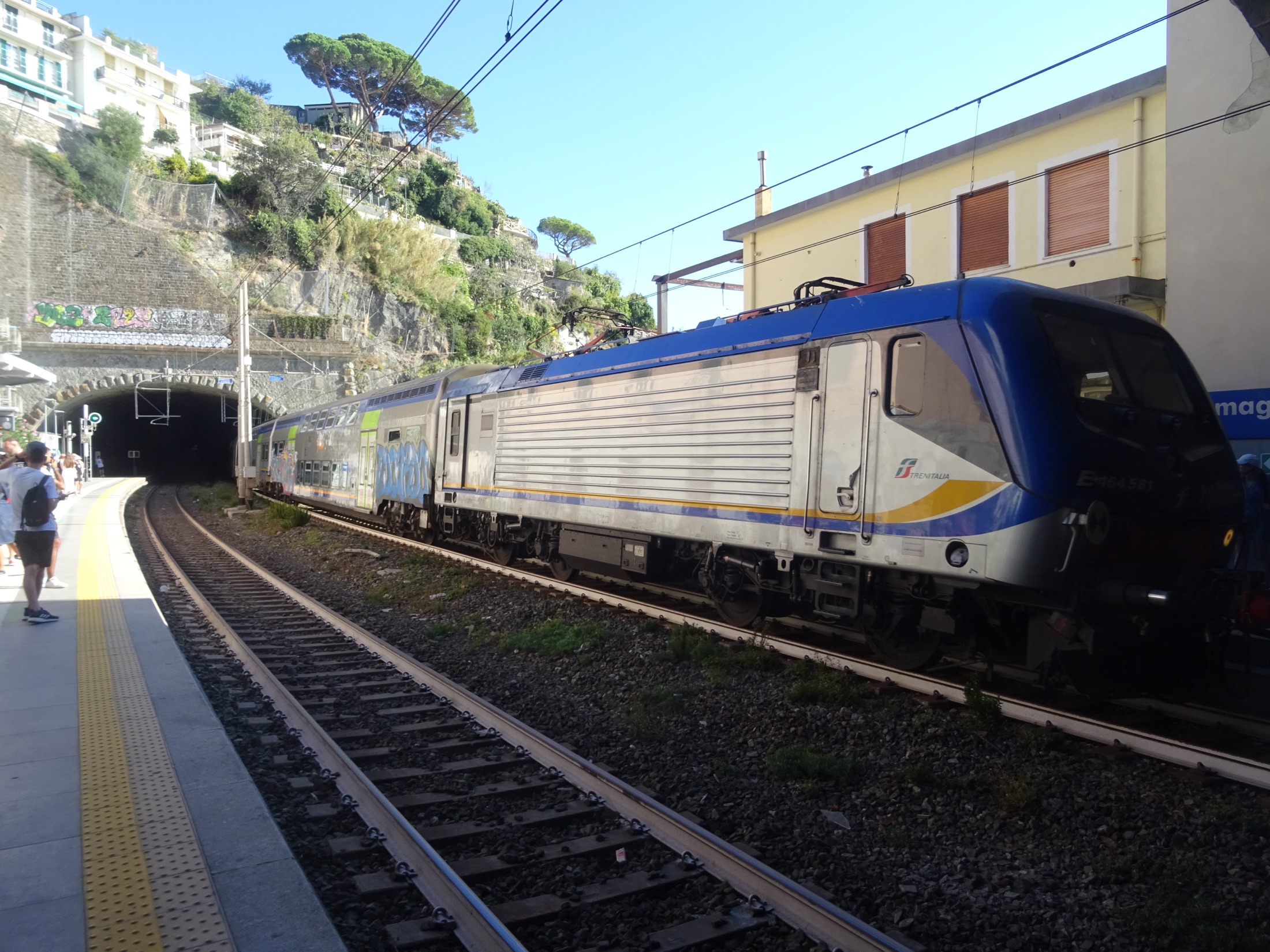
High-speed services connect Rome, Florence, Bologna, Milan, Naples and Venice with central stations and competitive journey times. A car adds pickup time, tolls, fuel and parking while delivering no advantage inside the cities.
Book the faster intercity legs once the route is fixed, but keep regional day trips flexible where fares do not depend heavily on advance purchase.
Hire a car when the accommodation needs it
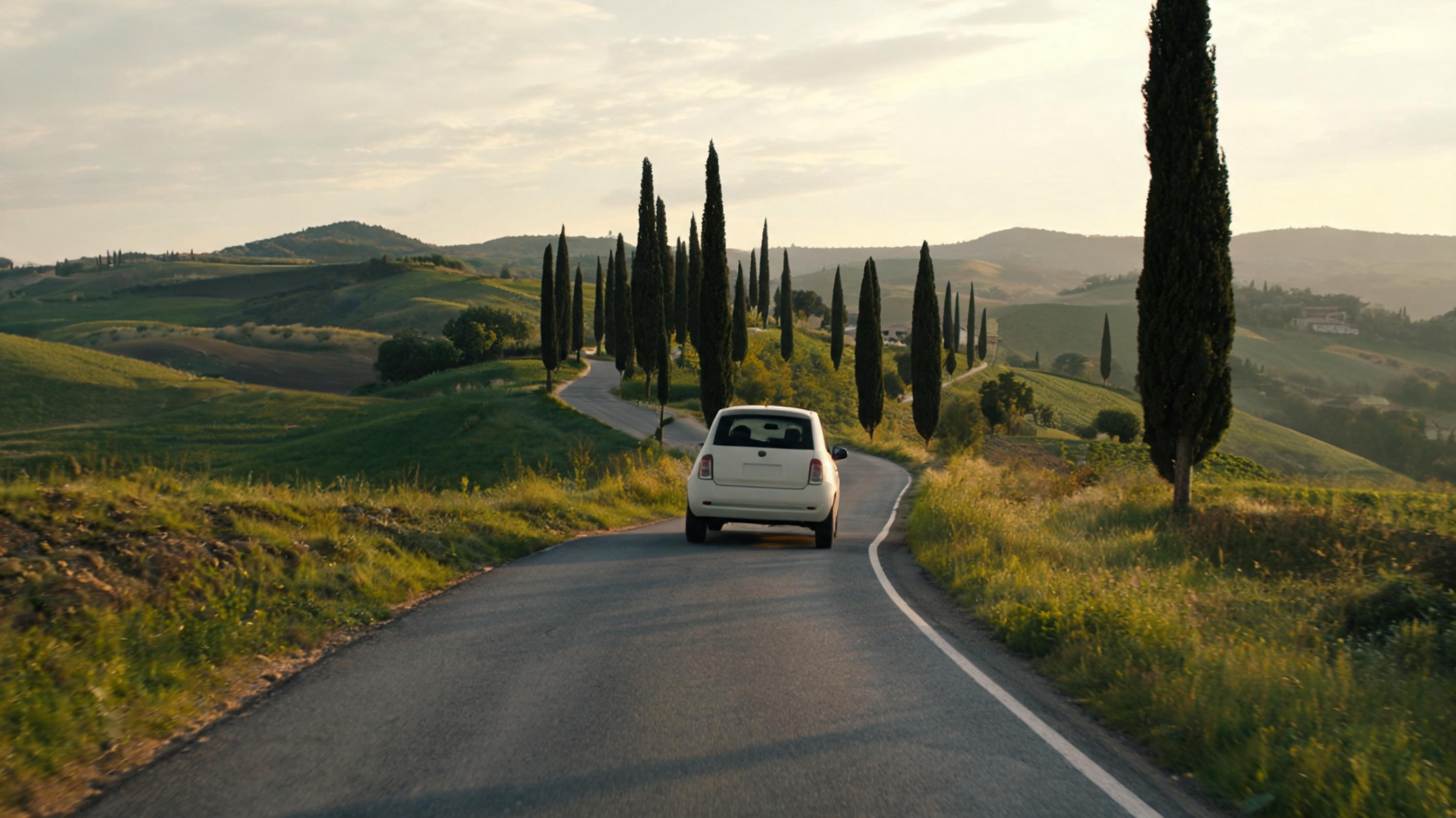
A farmhouse in rural Tuscany, a masseria in Puglia or a mountain stay in the Dolomites can justify a car because the last mile is the experience. The vehicle enables early starts, village combinations and dinners away from the station timetable.
The decision should begin with the exact accommodation and parking, not a general idea that driving is more authentic.
Historic centres change the calculation
Restricted traffic zones, limited parking and narrow streets make a car actively unhelpful in many Italian centres. Hotels may provide instructions, but a central address does not guarantee legal access to the door.
Return the rental before the city stay when possible. If a rural segment sits between Florence and Rome, collect outside the centre, use it for those nights and drop it before continuing by rail.
- Confirm the exact parking arrangement in writing.
- Do not assume an international hotel chain sits outside a restricted zone.
The mixed itinerary is usually the best one
Rail from Rome to Florence, rent for three Tuscan nights, then return the car and continue to Venice. Or take the train to Bari, rent for Puglia and finish without the vehicle in a larger city.
This pattern preserves the freedom people imagine when they picture driving in Italy without forcing the car into the places where it creates cost and anxiety.
Frequently asked questions
Do I need a car for Tuscany?
Not for Florence, Pisa, Lucca or some larger towns. A car helps most for countryside accommodation and multi-village days.
Is driving in Italy difficult?
Motorways are manageable for experienced drivers. Historic centres, restricted zones, parking and unfamiliar signage create most of the stress.